]INDIAN CULTURE
THERE ARE MANY WHO UPHELD THE INDIAN CULTURE
BUT NOW I AM TALKING ABOUT MATA AMRITANANDAMAYI MATH
As part of her chores, Amṛtānandamayī gathered food scraps from neighbours for her family's cows and goats, through which she was confronted with the intense poverty and suffering of others. She would bring these people food and clothing from her own home. Her family, which was not wealthy, scolded and punished her. Amṛtānandamayī also began to spontaneously embrace people to comfort them in their sorrow. Despite the reaction of her parents, Amṛtānandamayī continued.[3] Regarding her desire to embrace others, Amṛtānandamayī commented, "I don’t see if it is a man or a woman. I don't see anyone different from my own self. A continuous stream of love flows from me to all of creation. This is my inborn nature. The duty of a doctor is to treat patients. In the same way, my duty is to console those who are suffering."[4]
Amṛtānandamayī rejected numerous attempts by her parents to arrange for her marriage.[5] Her life took a different path instead. In 1981, after spiritual seekers had begun residing at her parents' property in Parayakadavu in the hopes of becoming Amṛtānandamayī's disciples, the Mātā Amṛtānandamayī Math (MAM), a worldwide foundation, was founded.[6] Amṛtānandamayī continues to serve as chairperson of the Math. Today the Mata Amritanandmayi Math is engaged in many spiritual and charitable activities.[7]
INDIAN CULTURE
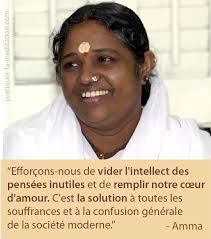
SOME PHOTOS OF MATAJI

SOME MORE DETIALS
THERE ARE MANY WHO UPHELD THE INDIAN CULTURE
BUT NOW I AM TALKING ABOUT MATA AMRITANANDAMAYI MATH
Biography
Mātā Amṛtānandamayī is an Indian Guru from Parayakadavu (now partially known as Amritapuri), Alappad Panchayat, Kollam District, in the state of Kerala.[1] Born to a family of fishermen in 1953, she was the third child of Sugunanandan and Damayanti. She has six siblings.[2]As part of her chores, Amṛtānandamayī gathered food scraps from neighbours for her family's cows and goats, through which she was confronted with the intense poverty and suffering of others. She would bring these people food and clothing from her own home. Her family, which was not wealthy, scolded and punished her. Amṛtānandamayī also began to spontaneously embrace people to comfort them in their sorrow. Despite the reaction of her parents, Amṛtānandamayī continued.[3] Regarding her desire to embrace others, Amṛtānandamayī commented, "I don’t see if it is a man or a woman. I don't see anyone different from my own self. A continuous stream of love flows from me to all of creation. This is my inborn nature. The duty of a doctor is to treat patients. In the same way, my duty is to console those who are suffering."[4]
Amṛtānandamayī rejected numerous attempts by her parents to arrange for her marriage.[5] Her life took a different path instead. In 1981, after spiritual seekers had begun residing at her parents' property in Parayakadavu in the hopes of becoming Amṛtānandamayī's disciples, the Mātā Amṛtānandamayī Math (MAM), a worldwide foundation, was founded.[6] Amṛtānandamayī continues to serve as chairperson of the Math. Today the Mata Amritanandmayi Math is engaged in many spiritual and charitable activities.[7]
INDIAN CULTURE
SOME PHOTOS OF MATAJI
SOME MORE DETIALS
Institutions > Mata Amritanandamayi Math
The Mata Amritanandamayi Math (MAM) is an international charitable organization set up for
the spiritual and material upliftment of humankind irrespective of caste or religion. It was
formally founded by the spiritual leader and humanitarian Mata Amritanandamayi in 1981
with its headquarters in Paryakadavu in Kerala. While MAM conducts extensive charitable
work including disaster relief, healthcare for the poor and environmental programmes, one of
the main aims of the organisation is preservation of Indian culture.
The Math has been organizing cultural programmes and talks in Ernakulam on Indian cultural heritage starting in 2005.These programmes are usually accompanied by cultural programmes. Some of the art forms being promoted are Ottan thullal, Chaakyar koothu, Panchavadyam and other traditional art forms that are disappearing across Kerala. Sanskrit dramas including those written by Bhasan, which are rarely seen in Kerala, have been performed at the festival.
Kavinte Raksha - Nadinte Raksha (protection of the sacred groves is protection of the country) is the slogan of the Green Friends initiative of the Math which seeks to protect the traditional Kerala kavus or sacred grooves which were an important part of ancient Kerala culture and which also serves as bio diversity hotspots. The program began in 2004 and includes activities like documenting existing Kavus, conducting seminars for the general public on the cultural and environmental importance of conserving kavus.
The Math managed Amrita TV, ever since its inception, has become the beacon of hope for the preservation of Kerala's culture and traditions, and is unique among all channels for making highly rated TV shows that capture the imaginations of the masses and educate them about our heritage.
Amrita Bala Kendras are run by the Math at various locations in the US. The Bala Kendras teach Indian cultural values to children including Yoga and the importance of various Indian festivals and rituals. Several CDs and publications on different aspects of Indian culture have been brought out by the Math. Katha Upanishad one of the most celebrated Upanishads has been made into an interactive CD that captures the conversation between Yama and Nachiketas that expounds some of the loftiest Indian philosophy in a manner accessible to the layperson. The Math also has a school which teaches Ayurveda and most of its other schools and colleges teach culture as one of the subjects
CULTURAL PROGRAMS AT AMRITA UNIVERSITIES
The Math has been organizing cultural programmes and talks in Ernakulam on Indian cultural heritage starting in 2005.These programmes are usually accompanied by cultural programmes. Some of the art forms being promoted are Ottan thullal, Chaakyar koothu, Panchavadyam and other traditional art forms that are disappearing across Kerala. Sanskrit dramas including those written by Bhasan, which are rarely seen in Kerala, have been performed at the festival.
Kavinte Raksha - Nadinte Raksha (protection of the sacred groves is protection of the country) is the slogan of the Green Friends initiative of the Math which seeks to protect the traditional Kerala kavus or sacred grooves which were an important part of ancient Kerala culture and which also serves as bio diversity hotspots. The program began in 2004 and includes activities like documenting existing Kavus, conducting seminars for the general public on the cultural and environmental importance of conserving kavus.
The Math managed Amrita TV, ever since its inception, has become the beacon of hope for the preservation of Kerala's culture and traditions, and is unique among all channels for making highly rated TV shows that capture the imaginations of the masses and educate them about our heritage.
Amrita Bala Kendras are run by the Math at various locations in the US. The Bala Kendras teach Indian cultural values to children including Yoga and the importance of various Indian festivals and rituals. Several CDs and publications on different aspects of Indian culture have been brought out by the Math. Katha Upanishad one of the most celebrated Upanishads has been made into an interactive CD that captures the conversation between Yama and Nachiketas that expounds some of the loftiest Indian philosophy in a manner accessible to the layperson. The Math also has a school which teaches Ayurveda and most of its other schools and colleges teach culture as one of the subjects
CULTURAL PROGRAMS AT AMRITA UNIVERSITIES

.


No comments:
Post a Comment